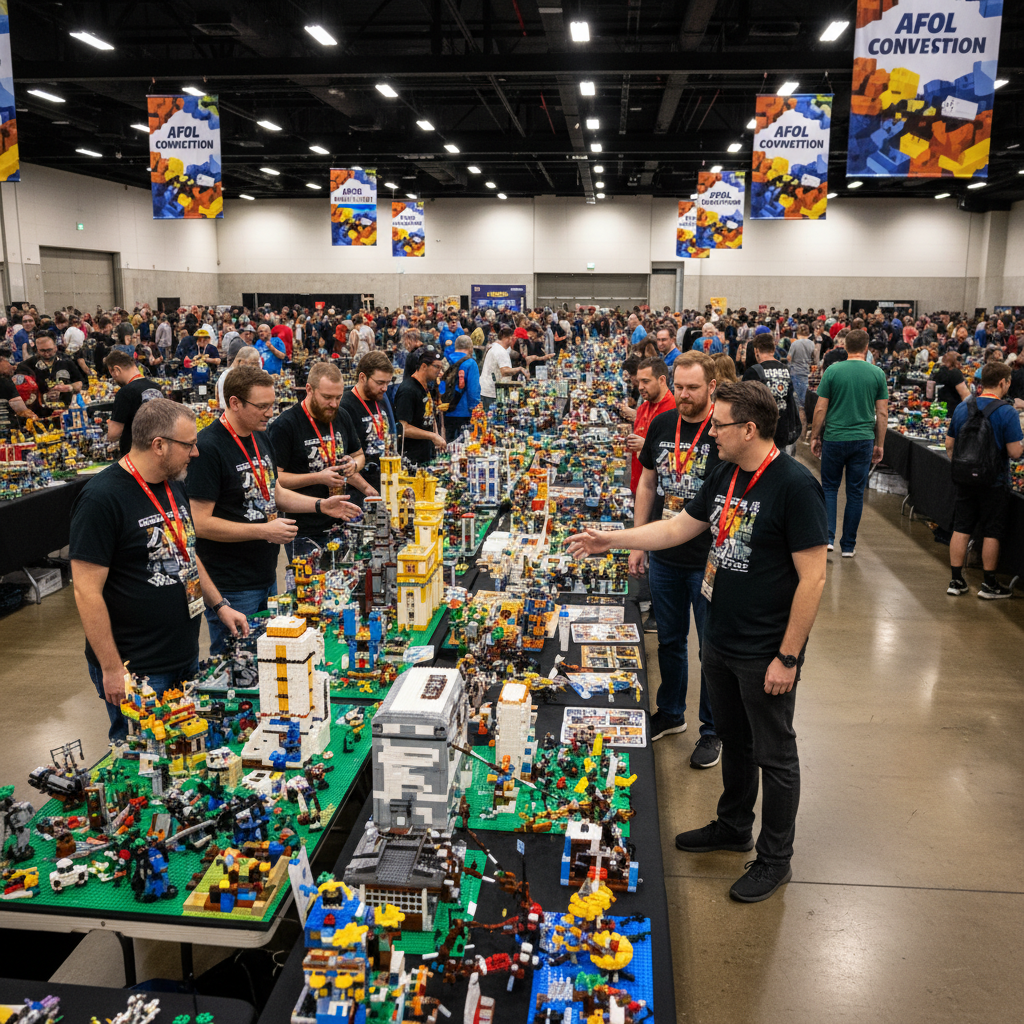
Thousands of colorful LEGO bricks filling the frame edge to edge, shot from directly above like a mosaic
Coming Spring 2025 · Episode One

Every
Brick
Has a
Story.

A weekly conversation about the history, design philosophy, and obsessive culture behind the interlocking plastic brick — from the 1958 patent in Billund to the aftermarket sets trading for mortgage payments on BrickLink.

Founding listeners get Episode One first.

Read On
Vol. 01 · The Letter

There is a particular kind of person who buys a set, builds it in one sitting, then disassembles it completely and builds it again — slower, this time, reading the instructions like a score.

This podcast is for that person. Not the casual builder who follows the box. The one who notices the part count dropped between the 2003 and 2007 editions of the same set. The one who knows that the 2×4 brick has been manufactured to a tolerance of 10 micrometres since 1958, and finds that fact genuinely moving.

The LEGO Group estimates it has produced 400 billion bricks in five decades. That number is staggering, but it is not what makes the brick interesting. What makes it interesting is that a brick from 1958 still connects to one made this morning in Billund. That continuity — across seven decades, across every child who has ever sorted by color at two in the morning — is what we are here to examine.

Each week, Brick goes deep. Into the history that most people have never heard. Into the design decisions that look obvious in retrospect and were anything but at the time. Into the communities that have grown up around a toy and turned it into something else entirely — an investment vehicle, an architectural medium, a language. And into the obsession itself: what it means to care this much about something made of plastic, and why that caring is worth taking seriously.

01

Four Chapters

History · Design · Community · Obsession

I

Chapter One

History

On January 28, 1958, at 1:58 in the afternoon, Godtfred Kirk Christiansen filed a patent for a new type of building system in Billund, Denmark. He could not have known that this single act of bureaucratic registration would outlast every other toy patent of the century.

The brick that Christiansen patented that afternoon is dimensionally identical to the one sitting in your parts bin right now. That continuity — unbroken across 67 years, two world recessions, the rise of digital entertainment, and the slow death of every competing toy format — is not an accident. It is a design decision, renewed every year by a company that understood something most manufacturers never do: that compatibility is a form of promise.

"A brick from 1958 still connects to one made this morning. That is not engineering. That is a covenant."

The History episodes of Brick go into the company archives, into the decisions that almost weren't made, and into the Billund factory floor where tolerances of 10 micrometres turn raw ABS pellets into something that will still be connecting to its descendants in 2058.
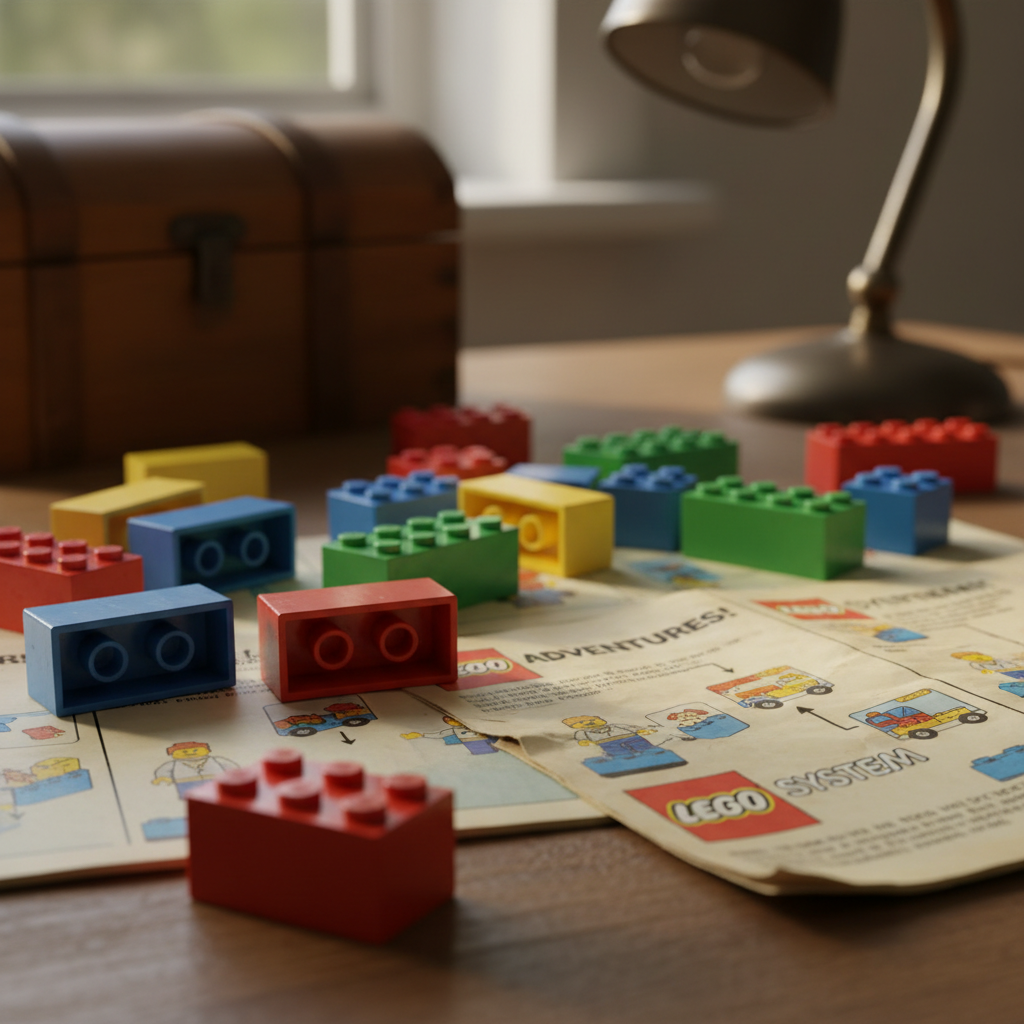
Close-up of vintage LEGO bricks and instruction booklet pages, analog warmth

Billund, Denmark, 1958 — the patent that changed everything.
II

Chapter Two

Design

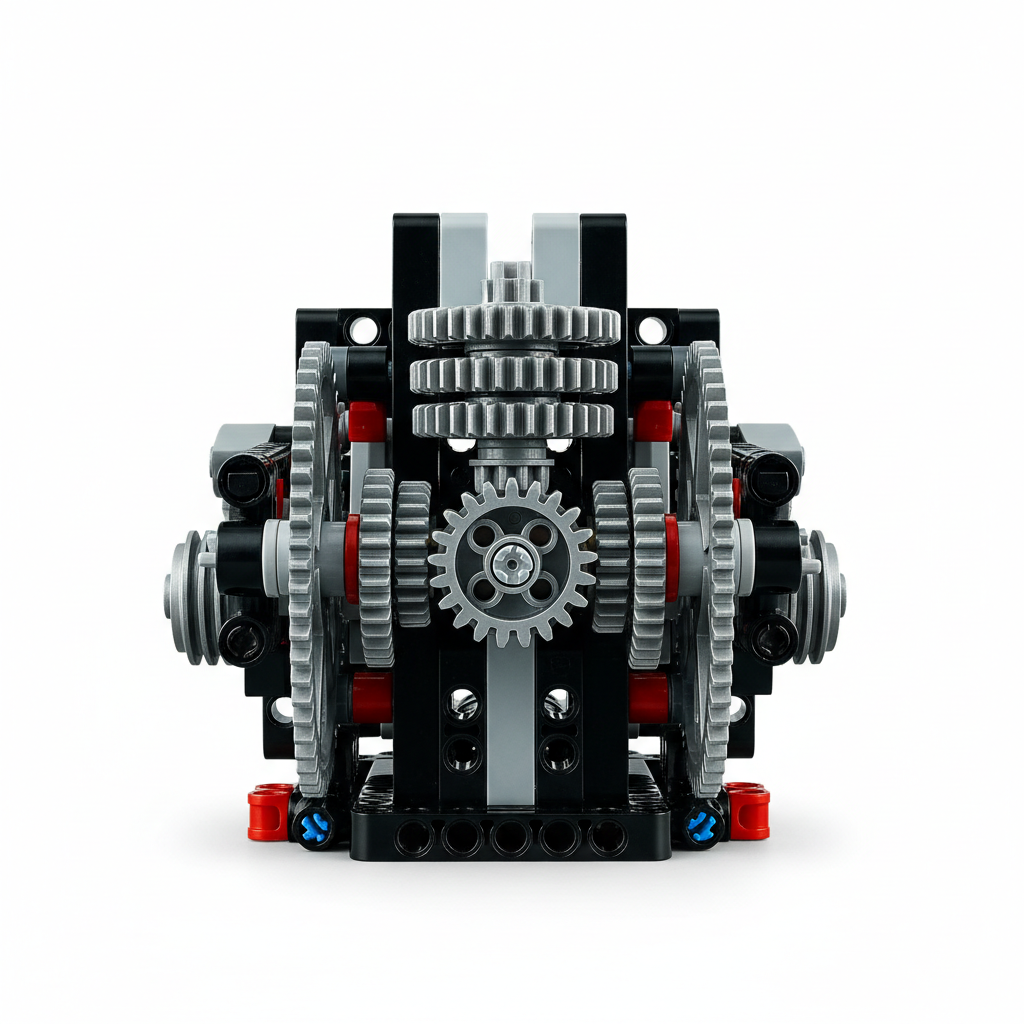
LEGO Technic set mechanics and gears, architectural design detail

120 designers. One brief: make it connect.

The LEGO Group employs approximately 120 designers at its Billund headquarters. Their brief, in its simplest form, has not changed since 1958: create something that connects. To everything that came before it. To everything that will come after. To the hands of the person holding it.

What looks like a toy constraint — eight studs, a fixed height, a palette of 50 colors — is actually a design system of extraordinary sophistication. The brick is a module. And like all great modules, its power comes not from what it does alone but from what it enables in combination. Six 2×4 bricks can be combined 915,103,765 ways. This is not a marketing statistic. It is a description of the design space.

"Six bricks. 915 million combinations. Every one of them correct. That is what good constraints do."

The Design episodes trace the decisions behind specific sets, the arguments that happened in Billund over color and scale and part count, and the designers — many of them anonymous — whose choices ended up in 400 million living rooms.

III

Chapter Three

Community

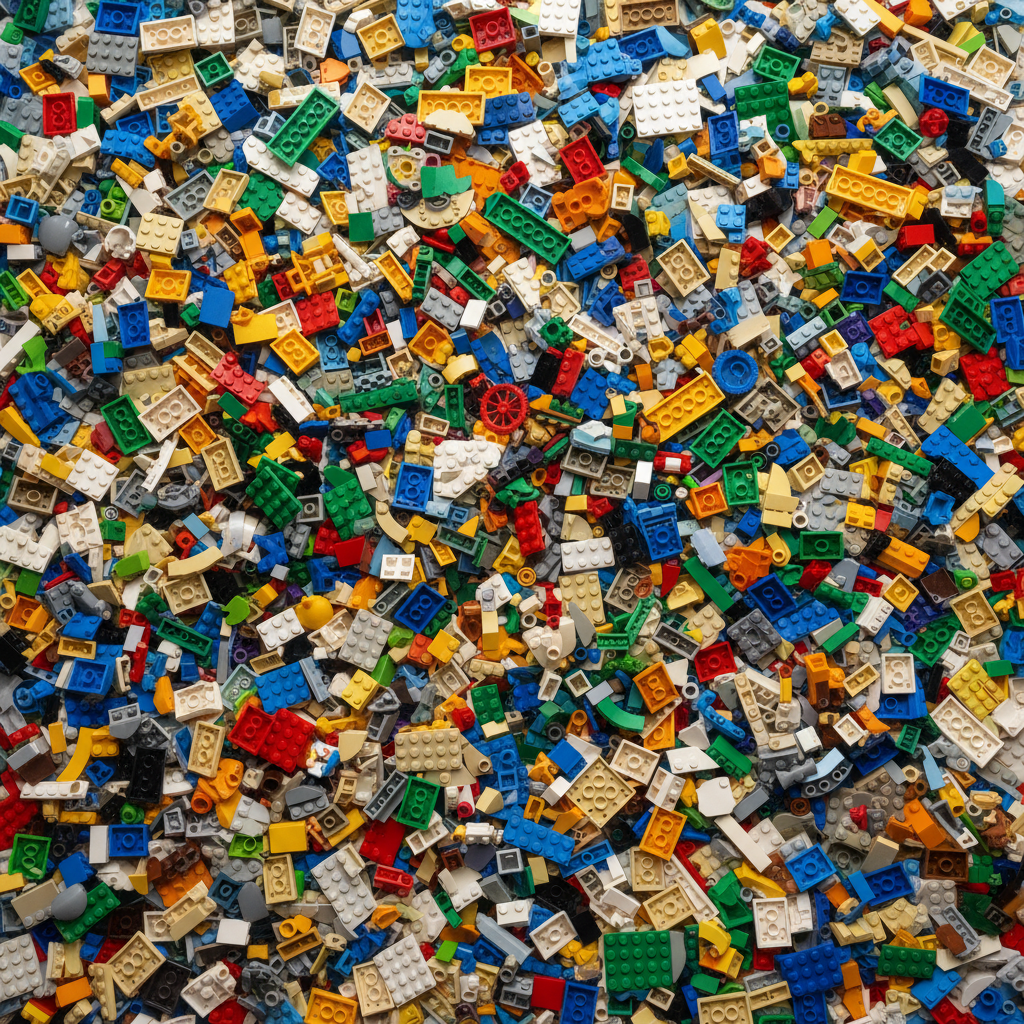
AFOL community members displaying elaborate LEGO MOC builds at a convention

AFOL

Adult Fans of LEGO

There is a person somewhere right now who is sorting 40,000 loose bricks by color. Not because they have to. Because the sorting is part of it. Because the inventory is part of it. Because knowing exactly what you have — every 1×1 plate in dark bley, every Technic pin in tan — is a form of mastery.

The AFOL community did not wait for LEGO to recognize it. It built BrickLink from scratch, organized conventions in hotel ballrooms, developed an entire vocabulary for custom builds — MOCs, MOBs, dark bley versus light bley — before the company acknowledged that adults were its most devoted customers. The community came first. The company followed.

"They built BrickLink before LEGO knew AFOLs existed. The community came first. The company followed."

By the Numbers

400B

Bricks produced since 1958

1,140

Elements made per second

11%

Average annual set appreciation

2000

Year BrickLink was founded

IV

Chapter Four

Obsession

"The question is not why someone spends $4,000 on a retired set. The question is what they understand about value that the rest of us have missed."

Research from the Higher School of Economics shows that LEGO sets appreciate by an average of 11% annually — growth that outpaces gold, stocks, and most alternative investments. Certain retired sets have returned over 1,000% in under two decades. The sealed Millennium Falcon. The original Café Corner. The convention exclusives produced in runs of 50.

But the obsession that Brick is most interested in is not financial. It is the obsession of the builder who has memorized the part count of every Technic set from 1977 to 1994. The architect who uses the 1×1 round plate as a module for city planning models. The parent who finds a childhood set in a bin at a garage sale and sits with it for three hours, not building anything, just holding the pieces.

These people are not collectors in the way that word usually implies. They are practitioners of something. We are here to find out what.

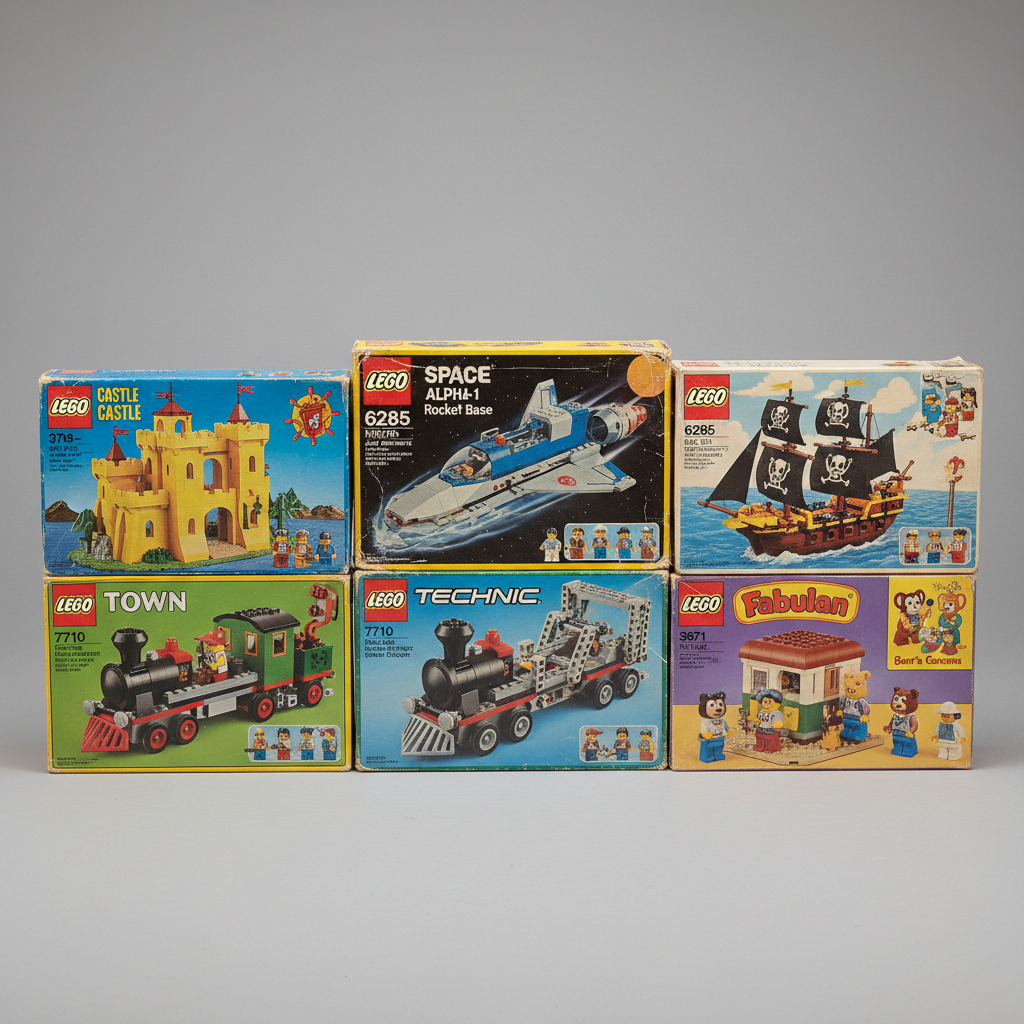
Rare vintage LEGO sets sealed in boxes, collector items with significant value

1,000%+

Returns on select retired sets in under two decades. Some sealed exclusives: produced in quantities of 50.

The Invitation

Be There
When It
Begins.

Brick is a weekly podcast about the history, design, and obsessive culture behind the interlocking plastic brick. Episode One drops Spring 2025. Founding listeners — the ones who were here before the first episode — get it before anyone else.

No friction. No dropdown menus. Just an email and a promise, earned by the writing above.

Episode One drops Spring 2025 — founding listeners get it first.

BRICK